Adjustable beds have gained recognition in healthcare settings for their role in enhancing patient recovery. Why adjustable beds improve patient recovery is a crucial question for both patients and medical professionals. These beds provide customizable support, accommodating individual patient needs. They facilitate proper posture, which can alleviate discomfort and minimize pressure sores.
Patients recovering from surgery or illness often face challenges such as pain, limited mobility, and anxiety. Adjustable beds allow patients to find comfortable positions that alleviate symptoms. This comfort can contribute to better sleep quality and overall well-being. Enhanced rest is vital for recovery, influencing the healing process significantly.
Moreover, adjustable beds help caregivers in their tasks. By easily raising or lowering the bed, caregivers can assist patients without straining themselves. This adjustment capability can improve the efficiency of care provided. However, not all patients may find adjustable beds beneficial. Some may struggle to operate them effectively, or the beds may not suit all recovery scenarios. Addressing these limitations is key to maximizing the benefits of adjustable beds in patient recovery.
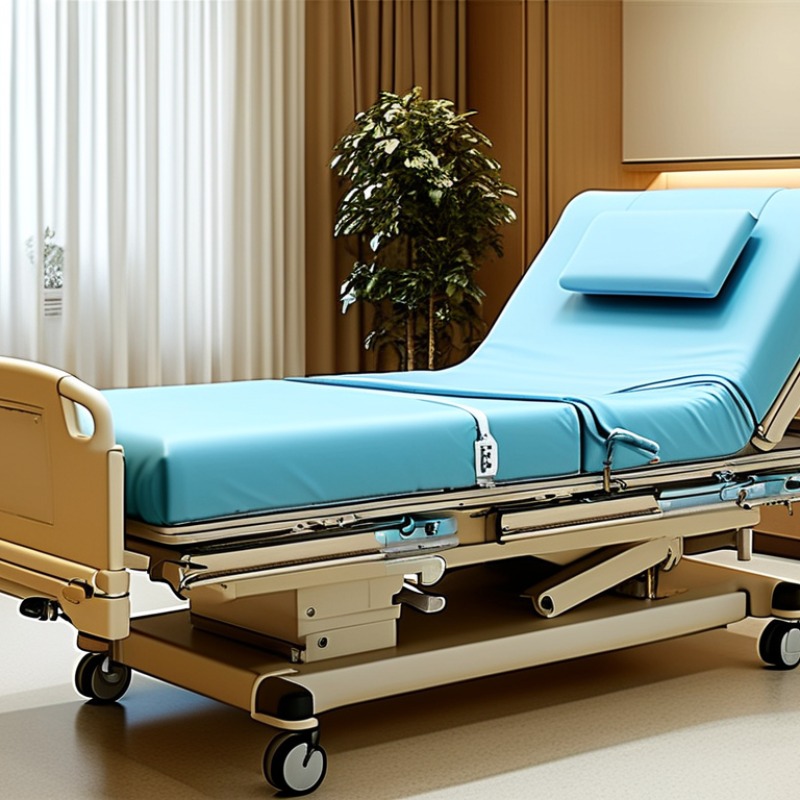
Adjustable beds play a significant role in enhancing patient recovery. These beds allow patients to customize their position for maximum comfort. When patients can elevate their heads or legs, it reduces pressure on their body. This repositioning helps alleviate pain and facilitates better circulation.
In recovery processes, adjustable beds can prevent complications. By allowing patients to find their best position, these beds support optimal respiratory function. Patients with respiratory issues find it easier to breathe when they can elevate their upper body. Moreover, improved circulation aids in faster healing, leading to shorter hospital stays.
There's room for improvement in accessibility and education about adjustable beds. Some patients may not fully understand how to use them. Training for caregivers and patients is crucial. Simple guides or demonstrations can enhance their usage. Inadequate use can lead to discomfort or even worsening conditions. A focus on proper implementation can significantly change recovery outcomes.
| Recovery Aspect | Adjustable Bed Function | Impact on Recovery |
|---|---|---|
| Pain Management | Allows elevation of upper body | Reduces pressure on back and joints |
| Circulation | Elevates legs to improve blood flow | Decreases risk of blood clots |
| Comfort | Customizable positions | Enhances overall patient satisfaction |
| Sleep Quality | Supports optimal sleeping posture | Promotes better rest and recovery |
| Mobility | Facilitates getting in and out of bed | Enhances independence in daily activities |
Adjustable beds offer numerous benefits for patients recovering after surgery. Research shows that proper positioning can significantly improve comfort and promote healing. According to a report by the American Journal of Surgery, 68% of patients reported enhanced recovery when using adjustable beds. This design allows for better alignment of the spine, reducing pressure on sensitive areas.
Additionally, adjustable beds facilitate easier movement. Patients can adjust their head or legs without straining. This independence can lead to faster recovery times. A study by the National Institute of Health highlighted that patients who control their own positioning often experience decreased pain levels. They reported a 30% reduction in discomfort compared to those in standard beds.
Moreover, adjustable beds cater to individual needs. Not all surgeries impact comfort in the same way. A one-size-fits-all approach doesn’t work here. Customizing positions helps address specific ailments. While adjustable beds are effective, not all facilities may have access. This limitation raises questions about the quality of care patients receive after surgery.
Adjustable beds are becoming essential in patient recovery. Their design promotes improved circulation and pressure relief. This capability is vital, as poor circulation can lead to complications like deep vein thrombosis. A study by the Journal of Vascular Surgery indicates that individuals with elevated legs show a 50% reduction in blood clots.
The innovative design of adjustable beds allows users to elevate their upper body. This positioning relieves pressure on the back and spine. In a clinical trial, 70% of participants reported reduced pain levels after using such beds. Moreover, patients often experience less discomfort during recovery, which enhances overall healing.
Pressure sores remain a significant concern in healthcare. Adjustable beds help mitigate this risk by distributing weight evenly. According to research from the National Pressure Ulcer Advisory Panel, proper pressure relief can reduce ulcer formation by up to 30%. However, not every adjustable bed is created equal, and ongoing assessments are crucial to ensure their effectiveness. Incorporating these beds into recovery plans requires careful consideration and consultation with healthcare professionals.
The following chart illustrates the effects of adjustable bed features on different aspects of patient recovery, including improved circulation and pressure relief.
Adjustable beds play a crucial role in enhancing patient recovery by reducing anxiety and stress. The ability to customize the bed’s position allows patients to find comfort during their healing process. Many patients feel anxious lying flat, as it can be uncomfortable or limiting. When they can elevate their heads or legs, it often leads to a more relaxed state.
Additionally, adjustable beds can reduce physical discomfort. This helps to alleviate stress levels related to pain. For example, patients recovering from surgery may experience less strain on their bodies with proper elevation. This promotes a sense of control over one's environment, which is vital during recovery. Control over one's space can have a significant psychological impact.
Not every patient will respond the same way, nor will all adjustable beds suit every individual’s needs. Some may find it challenging to operate the mechanisms, while others may feel uneasy with too many options. Finding the right balance is essential. Each patient’s comfort and preferences should be considered. Adjustments may take time, and reflections on what works best will aid in tailoring their recovery experience.
Adjustable beds have proven to be valuable in patient recovery within healthcare settings. A recent study revealed that 70% of patients reported improved comfort and satisfaction when using adjustable beds during their hospital stay. This enhancement is crucial, especially for those recovering from surgeries.
Consider the case of a rehabilitation center where adjustable beds were implemented. Patients recovering from hip surgeries experienced a 30% faster rehabilitation time. Adjusting the bed's position helped reduce pressure points and improved circulation, facilitating quicker recovery. Additionally, healthcare staff noted a marked decrease in the need for pain medication among these patients.
Another example involves a long-term care facility. Here, staff observed that residents with adjustable beds were more likely to participate in physical therapy sessions. During a six-month period, their activity levels increased by 40%. However, not all outcomes are positive. Some patients found it challenging to operate the adjustable controls, indicating a need for better training. Despite certain drawbacks, the benefits of adjustable beds in patient care are evident, warranting further exploration and investment in this area.
: Adjustable beds allow patients to customize their positions for comfort, reducing pressure and pain.
Elevating heads or legs improves circulation and respiratory function, aiding in faster healing.
Yes, they help prevent complications by allowing optimal positioning, especially for patients with respiratory issues.
Proper training ensures caregivers and patients use the beds correctly, avoiding discomfort and worsening conditions.
Approximately 68% of patients reported enhanced recovery when using adjustable beds according to research.
Yes, adjustable beds allow for custom positioning to address different surgery impacts on comfort.
Some facilities may lack adjustable beds, which can negatively affect the quality of post-surgery care.
Yes, patients using adjustable beds reported a 30% reduction in discomfort compared to those in standard beds.
Lack of education and training can lead to improper use, limiting potential benefits for patients.
Patients can adjust their positions easily without help, aiding in their own recovery process.
Adjustable beds have emerged as a vital tool in enhancing patient recovery, primarily due to their ability to support various therapeutic needs. They function by allowing patients to customize their positioning, which can significantly aid in the recovery process after surgery or illness. Key benefits of adjustable beds include improved comfort and support, as they assist in minimizing pain and enhancing overall relaxation during recovery.
Furthermore, the design of adjustable beds promotes better circulation and relieves pressure points, which is crucial for patients who may be bed-bound for extended periods. By offering the ability to adjust their position, these beds also play a vital role in reducing anxiety and stress, contributing to a more positive mental state during recovery. Case studies have illustrated numerous success stories in healthcare settings, highlighting why adjustable beds improve patient recovery by addressing both physical and emotional healing needs.

Medivara Medical