In critical care, patient needs are complex and multifaceted. Why ICU beds require specialized features becomes evident when considering these needs. Standard beds can’t support the intricate requirements of patients fighting for their lives.
Specialized ICU beds offer critical adjustments, such as positioning and weight support. These features help minimize pressure sores and improve patient comfort. However, the effectiveness of these beds relies on proper staff training.
The tension between technology and human touch raises questions about care quality. Are healthcare providers fully utilizing these beds? The answer can vary. Ensuring each bed is used to its maximum potential is essential for optimal patient outcomes. The ongoing dialogue on best practices is crucial for advancing ICU care.
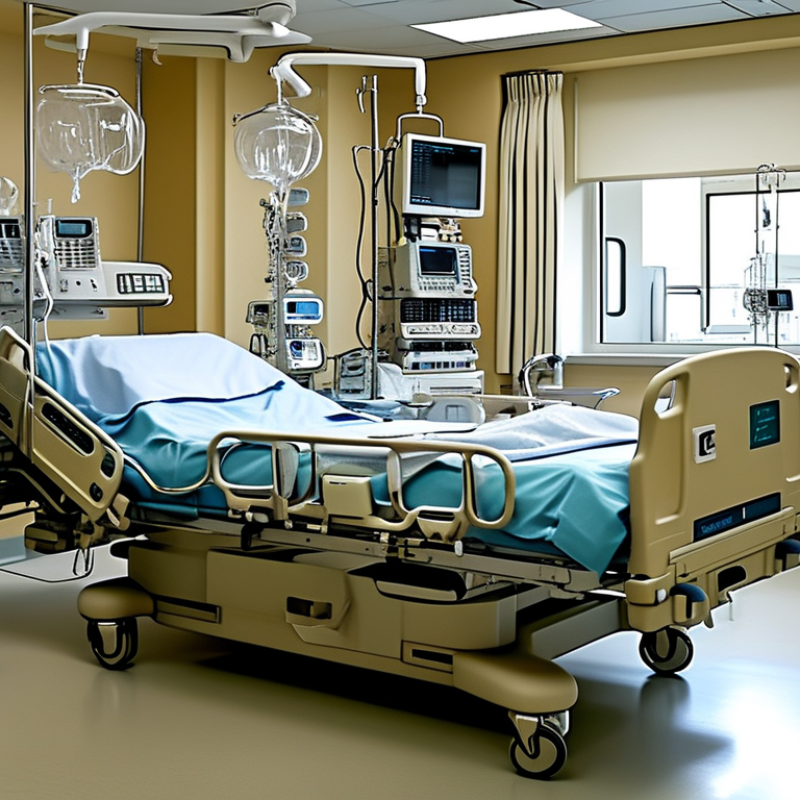
In critical care environments, the design of ICU beds plays a crucial role in patient management. Specialized features are essential for optimal care. These beds often come with adjustable height, enabling easier access for healthcare professionals. This can significantly reduce strain during patient handling.
Moreover, many ICU beds include advanced monitoring systems. These systems provide real-time data on vital signs, allowing for prompt interventions. Features like built-in pumps and weight sensors can enhance safety and efficiency. However, the complexity of these systems may pose challenges. Staff training is key to utilizing these technologies effectively.
Comfort also matters. Beds with integrated support systems can improve patient experience, reducing anxiety and promoting recovery. Yet, it is important to balance comfort with clinical needs. Too much focus on comfort may risk overlooking critical assessments. Continuous feedback from frontline staff can ensure that beds evolve to meet changing needs in the ICU setting.
ICU beds are designed with specialized features to support critical care. Patient monitoring is essential in these settings, where every second matters. One vital feature is the integration of advanced monitoring systems. These systems track vital signs, allowing healthcare providers to react rapidly to changes. Continuous monitoring can identify issues such as arrhythmias or sudden drops in blood pressure swiftly, ensuring timely intervention.
Another important aspect is adjustable positioning. ICU beds can be elevated or lowered easily, aiding in patient comfort and safety. Proper positioning can enhance respiratory function and prevent pressure ulcers. However, many facilities struggle with the maintenance of these adjustable features. Inconsistent functionality can lead to complications, negating the benefits of specialized beds.
Moreover, beds equipped with alert systems improve patient safety. These alerts notify staff of potential risks, such as patient falls. However, there is often a reliance on technology that can sometimes fail. Over-dependence may compromise vigilance among staff. Balancing advanced technology with attentive care is crucial for optimal outcomes in ICUs.
In critical care environments, adjustable beds are vital. These beds enhance patient comfort and play a crucial role in their recovery. Studies indicate that approximately 70% of ICU patients report discomfort during their stay. Adjustable positions alleviate this issue. Patients in comfortable positions experience lower stress levels, leading to better outcomes.
Specialized beds can be adjusted for optimal head and leg positions, which is essential for ventilation and circulation. According to recent reports, patients in more comfortable positions have a 20% higher satisfaction rate. This level of comfort allows medical staff to perform procedures more efficiently, decreasing the time spent repositioning patients. Still, some facilities lack the funds to invest in these advanced setups.
In addition, the benefits extend to caregivers who face physical strain while adjusting non-specialized beds. Injuries due to awkward lifting and repositioning are common in ICU settings. Research shows that over 40% of nursing staff report back pain related to patient handling. Unfortunately, many institutions overlook the need for these specialized beds, despite evidence suggesting they reduce both patient discomfort and staff injuries. Balancing budget constraints with the pressing need for better care continues to challenge healthcare administrators.
In the critical environment of an Intensive Care Unit (ICU), every detail matters. Advanced technology is vital in the design of ICU beds. These beds must accommodate the needs of both patients and healthcare providers. For instance, beds with automated positioning features improve patient comfort and facilitate medical procedures. However, these systems can sometimes malfunction, creating challenges for caregivers.
The integration of monitoring systems in ICU beds allows for real-time assessment of vital signs. This can lead to quicker interventions, enhancing patient outcomes. Yet, reliance on technology has its drawbacks. Excessive dependence on automated systems may result in a lack of hands-on assessments by medical staff. It’s essential to strike a balance between technology and traditional care practices.
Another crucial aspect is the adaptability of ICU beds. They need to be versatile, allowing for quick adjustments based on patient conditions. Some beds come equipped with suction systems and integrated scale features. However, these additional functions can complicate the design. As technology progresses, the challenge remains to make beds more functional without sacrificing simplicity and reliability. Balancing innovation and usability is an ongoing conversation in healthcare design.
Specialized ICU beds play a vital role in enhancing caregiver efficiency and safety. A study by the American Journal of Critical Care highlighted that up to 30% of nursing time in ICUs is spent on positioning and repositioning patients. These beds, equipped with adjustable features, reduce this burden significantly. For instance, beds with automated tilt and lateral movement can help caregivers reposition patients with minimal effort.
To optimize care, the design of ICU beds should facilitate quick access to patients. Features like integrated storage for essential supplies can minimize time spent searching for equipment. Additionally, beds that include monitoring technology allow for real-time assessment of patient condition. The World Health Organization (WHO) reports that improved ergonomics in care environments lead to a 25% decrease in caregiver injury rates. This factor is crucial when considering the long hours ICU staff work.
Tips: Ensure that beds are adjustable to accommodate diverse patient needs. Regular training on bed features can enhance caregiver confidence. Finally, prioritize safety features to minimize risks when moving patients. Implementing these strategies can lead to a more efficient and safer ICU environment for both patients and caregivers.
| Feature | Impact on Caregiver Efficiency | Impact on Patient Safety | Overall Care Improvement |
|---|---|---|---|
| Height Adjustable | Reduces strain during patient handling | Minimizes risk of falls | Enhances patient comfort |
| Integrated Monitoring Systems | Allows for continuous observation | Early detection of complications | Improves response times |
| Adjustable Side Rails | Facilitates patient mobility | Increases bed safety | Encourages early mobilization |
| Weight Capacity | Supports a wide range of patient sizes | Prevents structural failures | Enhances overall patient care |
| Pressure Relief Features | Reduces labor intensity for caregivers | Decreases risk of pressure ulcers | Increases patient satisfaction |
: Adjustable beds enhance patient comfort, playing a crucial role in recovery and lowering stress levels.
Patients in comfortable positions report a 20% higher satisfaction rate compared to those in non-adjusted beds.
Caregivers face physical strain, with over 40% reporting back pain due to awkward lifting and repositioning.
Budget constraints often challenge healthcare administrators, impacting their ability to enhance patient care.
Automated features improve comfort and facilitate procedures but may occasionally malfunction, complicating care.
Monitoring systems provide real-time assessments of vital signs, allowing for quicker medical interventions.
Excessive dependence on automated systems can lead to reduced hands-on assessments by medical staff.
ICU beds must be versatile to quickly adjust based on patient conditions, enhancing care responsiveness.
Balancing innovation with simplicity remains crucial; complex features can reduce reliability in critical situations.
While advanced technology improves care, it can also complicate use if not designed thoughtfully.
In modern healthcare, understanding "why ICU beds require specialized features" is essential for providing optimal patient care. ICU beds are designed with unique characteristics that enhance patient monitoring capabilities, ensuring that healthcare providers can track vital signs and respond swiftly to emergencies. Key features include integrated monitoring systems, which provide real-time data on patient health, and adjustable positions that offer both comfort and facilitate medical procedures.
Moreover, the integration of advanced technology in ICU bed design, such as mobility assistance and built-in safety mechanisms, not only improves patient outcomes but also enhances caregiver efficiency and safety. These specialized beds enable caregivers to provide better support and reduce the risk of injury during patient handling, ultimately leading to a more effective and safe care environment in critical situations.

Medivara Medical